1. Project overview
Genre: Apocalyptic Horror · Engine: Unity 3D · Platform: itch.io (formerly Steam) · Team size: Solo (1) · Duration: ~2 years · Outcome: Completed, ~54 reviews on Steam prior to removal
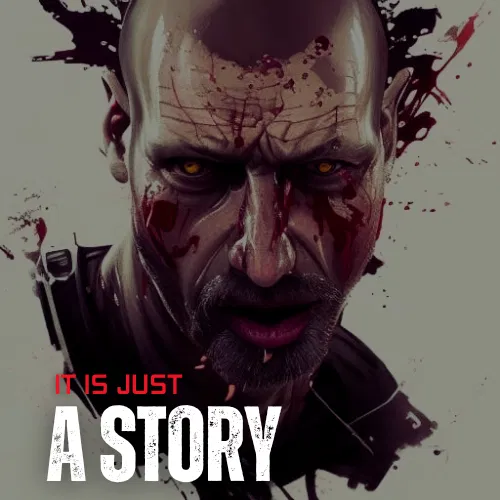
A bio-scientist who warned his own company against the experiment that caused the outbreak wakes alone in his family home, unable to separate reality from delusion. Searching for his missing daughter, fragments of memory resurface through the world's environmental clues, leading him through his ruined city, past infected mutants and supernatural entities, racing toward his old lab and the company he worked for, in search of a cure for the infection he tried to prevent. The design goal was to blend psychological storytelling with traditional survival-horror tension, using environmental cues — rather than exposition — to carry narrative weight.
2. Design process & rationale
The game is structured as five self-contained, chapter-based levels rather than an open world. This was a deliberate constraint: with a single developer handling design, art, code, and audio, an open world would have diluted quality across a much larger surface area. A linear, chapter-based structure meant every space could be authored with intent, and each level could represent a distinct stage of the protagonist's psychological descent — a structural choice that reinforces the narrative theme (fractured memory) through the level architecture itself, not just the writing.
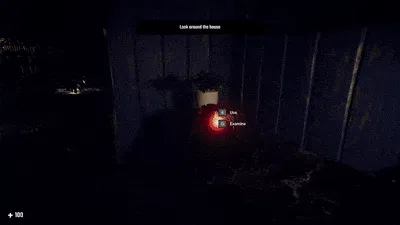
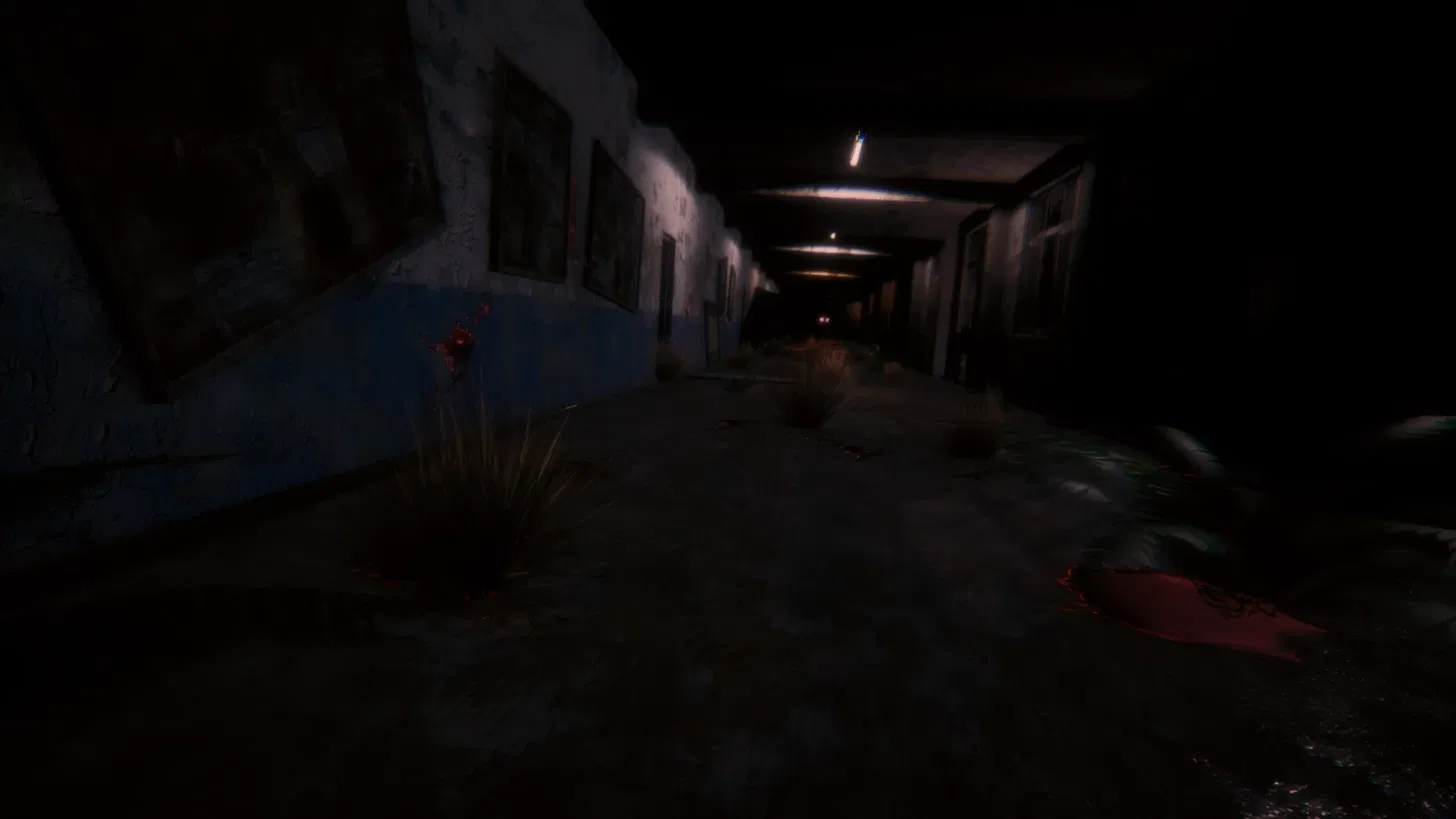
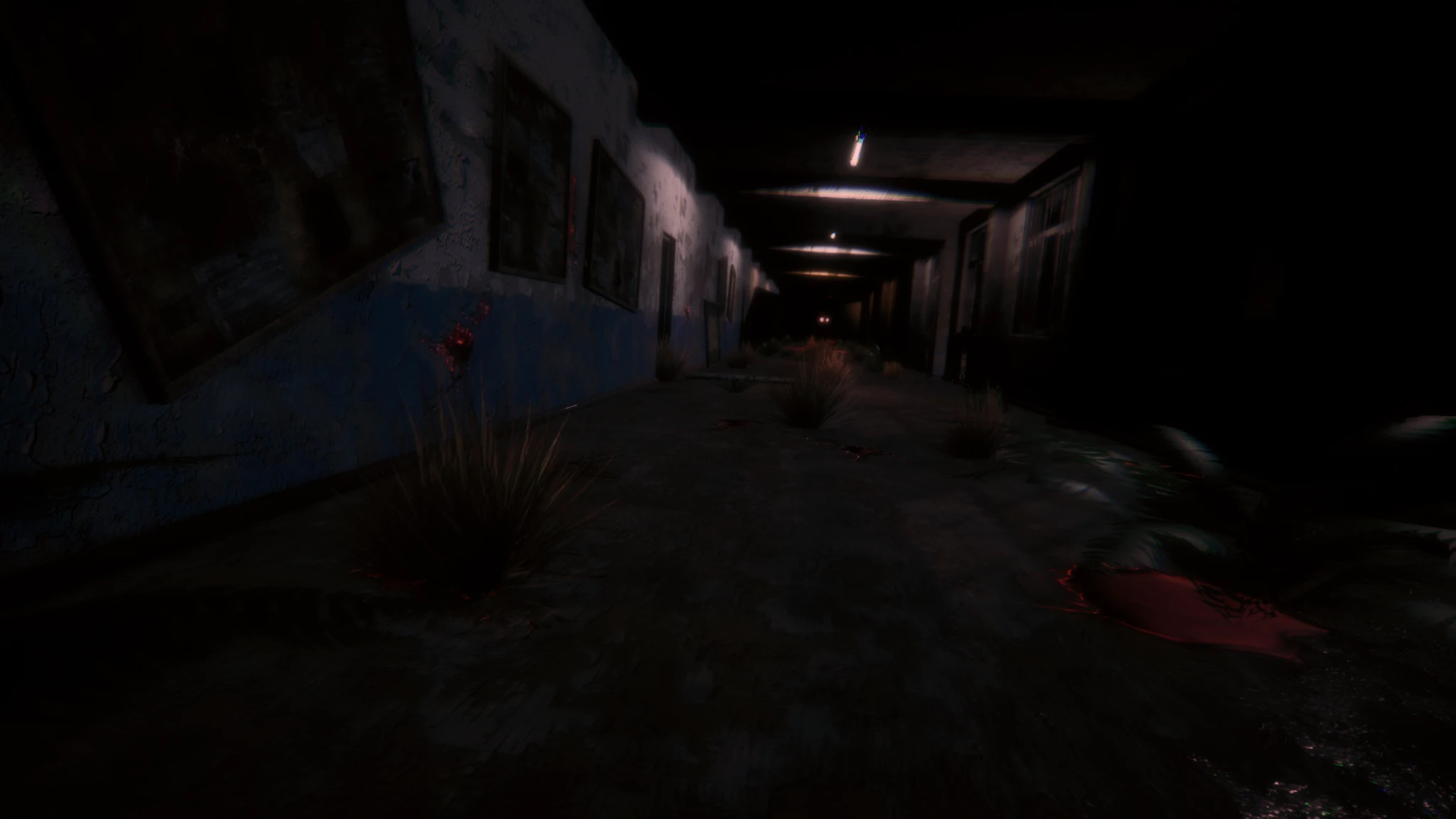
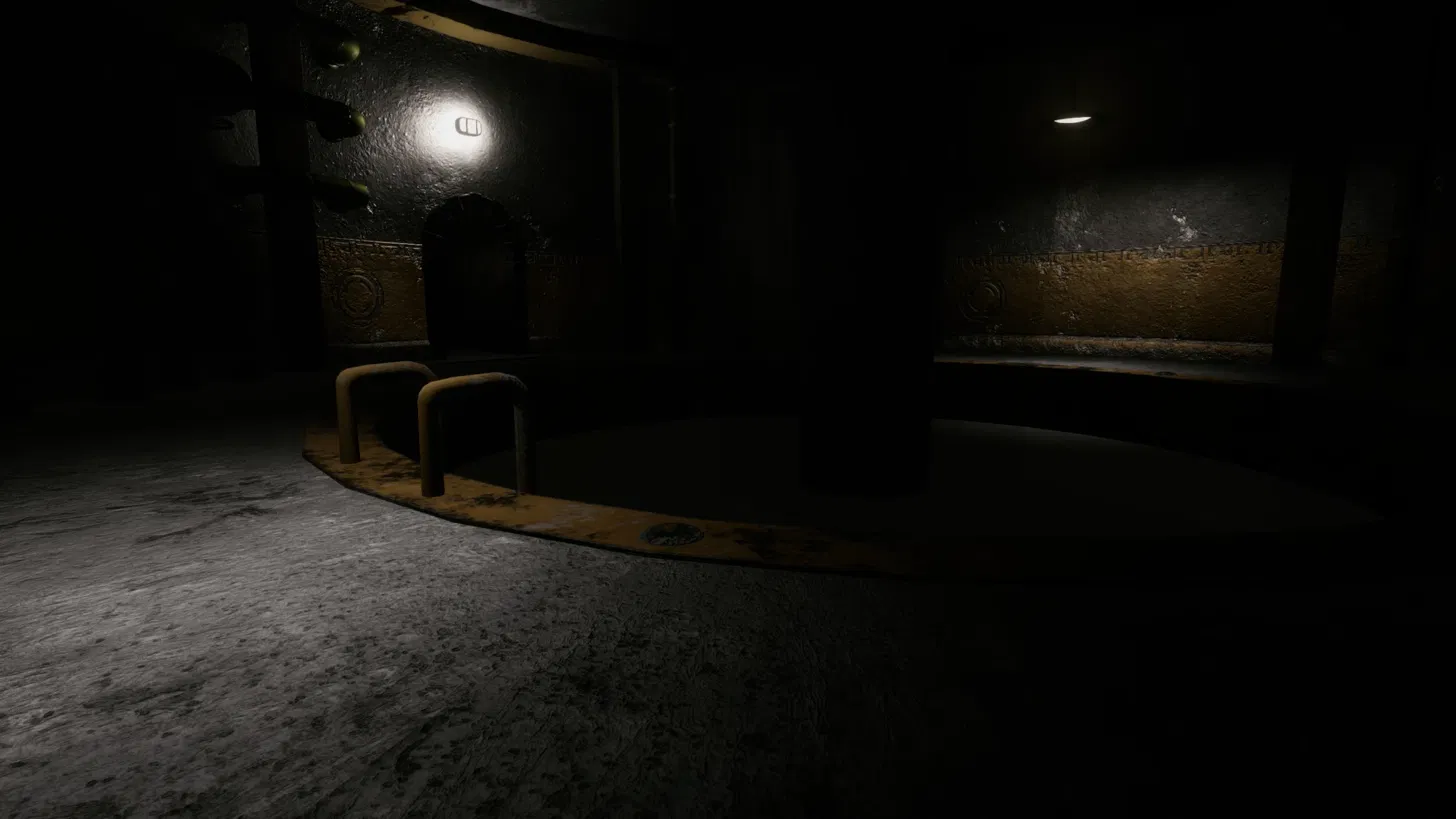
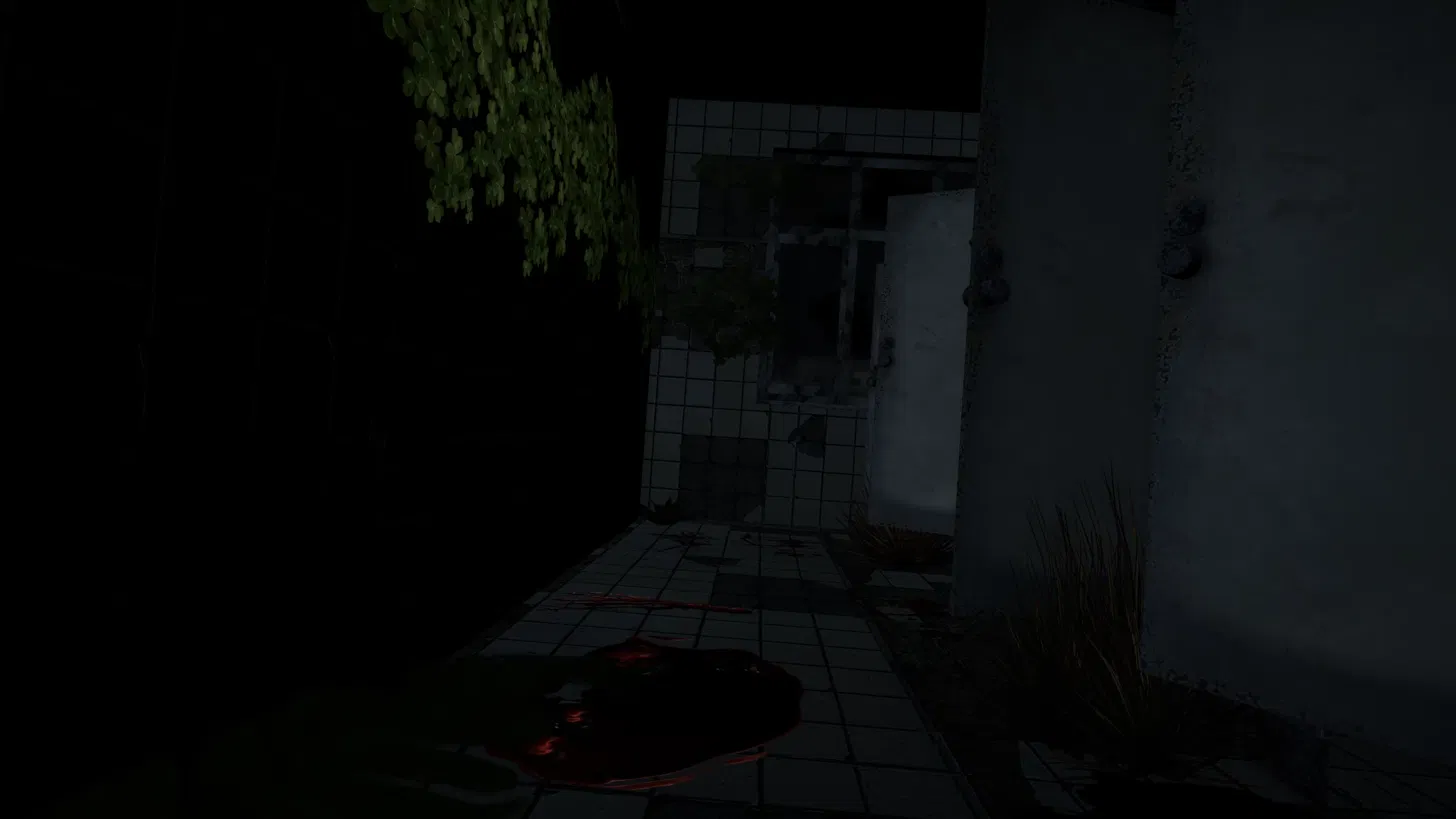
Lighting was treated as the primary storytelling tool rather than a purely technical concern. Dynamic and baked lighting were combined deliberately: baked lighting for atmosphere and mood in static spaces, dynamic lighting to guide player attention and build tension in active sequences. The recurring visual motif — a small pool of warm light in a field of near-total darkness — was used consistently across levels to cue "safe" or "significant" spaces to the player without any UI marker.
3. Technical implementation
Built entirely with Unity's visual scripting — my first project to do so from end to end. This was a conscious trade-off: visual scripting lowered the barrier to iterating quickly on gameplay logic as a solo developer, at the direct cost of runtime optimization and debugging clarity compared to hand-written C#. In practice, this meant scene-loading optimization became a recurring, hard-won lesson rather than something solved once — every new level required deliberately hunting down and fixing loading stalls that would otherwise break immersion at the worst possible moment.
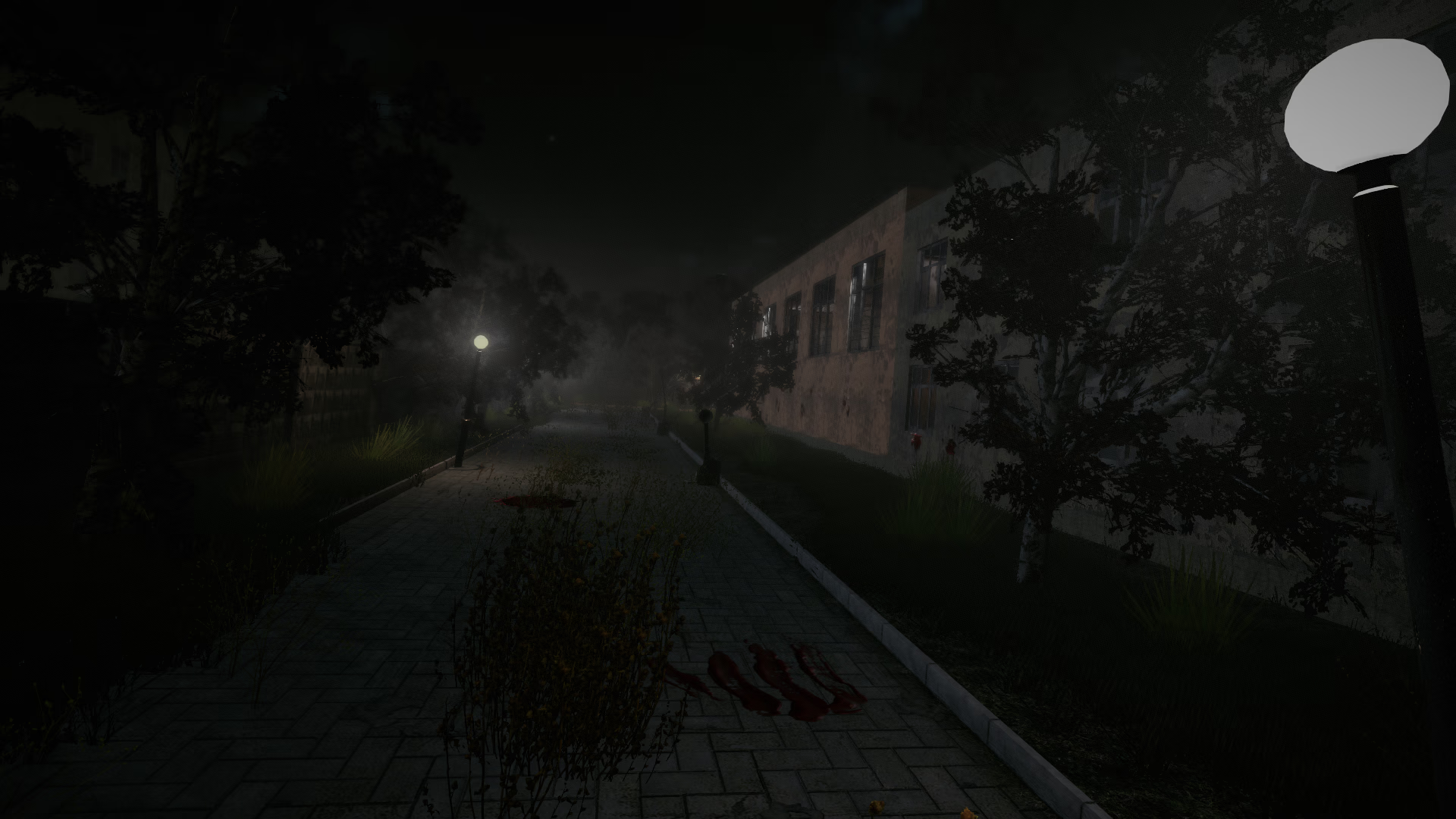
Art direction leaned on PBR materials for grounded realism, with low-saturation color grading and fog layering used to manufacture isolation and dread rather than relying on jump-scare set-pieces. Audio was custom-built: edited sample sets combined with Unity's built-in reverb zones, tuned per-space (a stairwell has different reverb characteristics than an open courtyard), and voice acting performed by myself and a collaborator.
4. Critical reflection
Reviewing this honestly rather than just favorably: the UI and presentation layer was the weakest part of the project, and it shows — functional but not refined, the product of trial and error without a strong prior reference point for interface design specifically. Voice recording quality also fell short of the visual and audio-atmosphere work elsewhere, a direct consequence of inexperience with recording and post-processing technique rather than a creative choice.
What I would do differently: build a lighting and UI style guide before production rather than during it, and budget dedicated time for voice-direction and audio post-production as its own phase rather than treating it as an extension of level design. What worked, and what I've carried into every project since: strict scope discipline (every feature had to justify its presence), and finishing a complete, shippable product before starting the next one — a principle that came directly out of seeing this project through from a rough concept to a released, reviewed title.
"No matter how long a project pauses, it gets finished unless it's clearly not meant to continue."